
The Opportunity
Reducing Heat and
Emissions Through
White Roof Design
Industrial buildings often have large roof surfaces that absorb significant amounts of heat. In industrial parks, this can contribute to localized “heat island” effects, increasing surrounding temperatures, raising cooling demand, and affecting both tenant comfort and nearby environments.
QuadReal identified an opportunity to reduce these impacts by rethinking roof design as part of its long-term asset maintenance strategy, using capital work as a moment to improve environmental performance.
1,000s
of Metric tonnes of CO₂ emissions avoided

What
QuadReal
Did
QuadReal incorporated white, high-reflectivity roofing into its industrial roof replacement strategy. Rather than replacing roofs prematurely, white roofing materials are applied during scheduled roof replacements, ensuring the approach avoids generating unnecessary waste.
This strategy focuses on implementing white roofs where and when it makes sense, balancing performance improvements with responsible material use.
The
Impact
White roofs reflect more sunlight, reducing heat absorption at both the building and site level. Lower roof temperatures help reduce cooling demand in buildings with mechanical cooling and can improve comfort in facilities without active cooling systems.
Across the portfolio, this approach has helped QuadReal avoid thousands of metric tonnes of CO₂ emissions, while supporting more efficient building operation during warmer periods.
Why This
Matters
Thoughtful design decisions made during routine capital work can deliver meaningful energy and emissions reductions while avoiding unnecessary waste, supporting both operational efficiency and environmental stewardship.
A Question
to Consider
Where could small, practical changes be integrated into daily routines or operating practices to help reduce energy use during hot periods?
Better is Best Tip
Consider scheduling heat‑intensive equipment (such as conveyors, compressors, and battery charging) to run during early morning or evening hours to reduce peak cooling demand and avoid adding unnecessary heat during the hottest parts of the day.
Energy performance and emissions outcomes may vary based on building design, tenant operations, and climate conditions.
Better high-efficiency roofing and operational optimization reduce emissions for the best carbon outcomes.
The Opportunity
Supporting Indoor
Air Quality Through
Preventative Maintenance
and Filtration
Indoor air quality requirements in industrial buildings can vary widely depending on tenant use – from warehousing and logistics to light manufacturing and specialized production. While tenants often manage air quality within their own spaces, base building systems still play an important role in supporting overall indoor conditions.
QuadReal identified an opportunity to support healthier indoor environments by focusing on the performance, reliability, and proactive maintenance of the base building systems that influence air quality across industrial assets.
What
QuadReal
Did
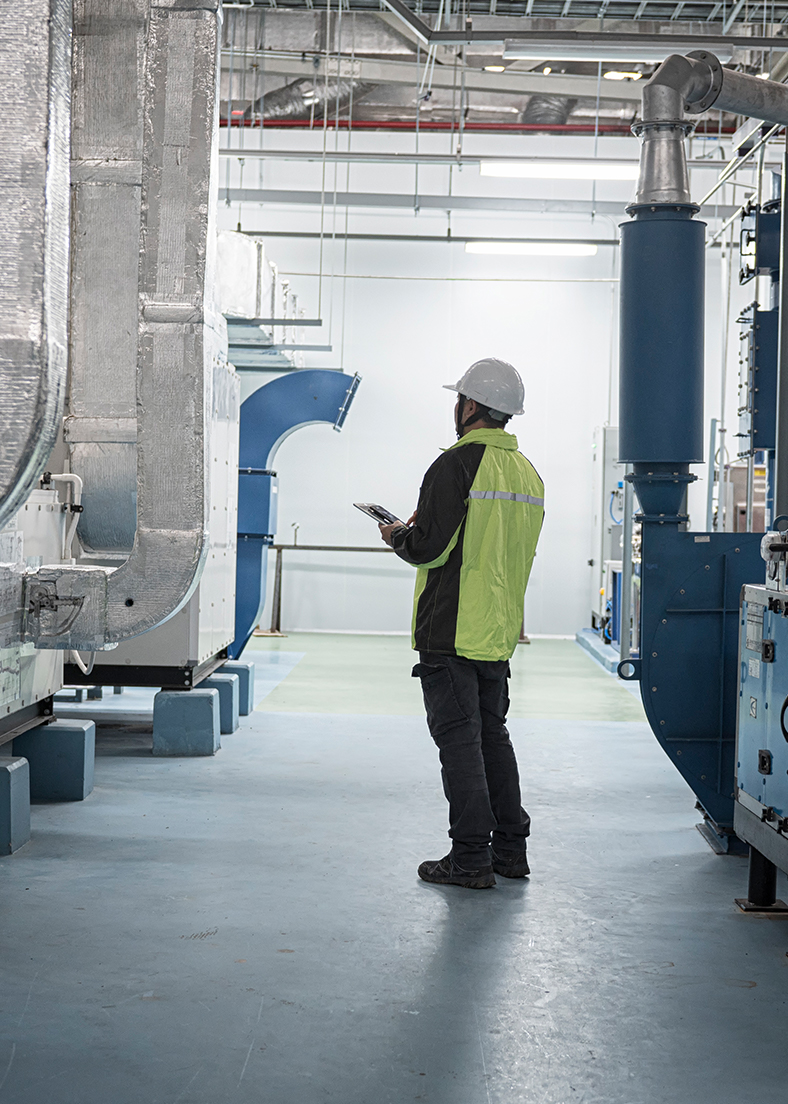
QuadReal embedded preventative maintenance strategies into ongoing building operations to reduce the risk of equipment failure, air quality disruptions, and to improve tenant comfort. This includes prioritizing proactive capital replacements and equipment upgrades so HVAC systems continue to operate as intended over their lifecycle.
Base building systems are equipped with higher efficiency air filters (using appropriate MERV ratings), helping capture finer airborne particles while maintaining system performance. Filtration and HVAC components are maintained and replaced on a planned schedule, rather than in response to failures, supporting consistent system operation.
The
Impact
This approach has improved the reliability and consistency of HVAC system performance across industrial assets and enhanced baseline air filtration within base building systems. By reducing the likelihood of unexpected equipment failures, QuadReal helps support more stable indoor conditions and provides a well-maintained foundation for tenant-managed air quality strategies.
Why This
Matters
While industrial tenants manage air quality based on their specific operations, well-maintained base building systems play a critical role in supporting safe, functional, and adaptable indoor environments.
A Question
to Consider
When was the last time you reviewed your ventilation, material storage, and air handling practices to ensure they’re supporting a healthy indoor environment?
Better is Best Tip
Store hazardous materials in clearly labeled, sealed containers within designated, well‑ventilated areas, and ensure they are kept separate from incompatible substances to reduce the risk of spills, reactions, and exposure. Poor air quality in one area of a building can impact adjacent spaces, including office areas within the same premises.
Indoor air quality conditions may vary based on tenant operations and space use; base building systems support, but do not replace, tenant-managed air quality measures.
Enhanced ventilation strategies support better air quality and the best working environments.
The Opportunity
Reducing Material
Waste Through Strategic
Roof Replacement
Roof replacements can generate significant amounts of construction waste, particularly when materials are removed before they’ve reached the end of their useful life.
QuadReal identified an opportunity to reduce landfill waste by aligning sustainability outcomes with planned capital maintenance, rather than treating roof replacement as a standalone activity.
160 tonnes
of roofing material have been diverted from landfill

What
QuadReal
Did
QuadReal embedded sustainability considerations directly into its roof replacement strategy, ensuring roofs are replaced only when required. By avoiding premature removal of functional materials and restoring/salvaging existing components such as insulation, this approach helps reduce unnecessary waste while maintaining building performance.
When replacements are needed, QuadReal selects durable, reflective roofing solutions designed to extend roof life and improve performance over time. This strategy balances operational needs with responsible material use.
The
Impact
Through this approach, more than 160 tonnes of roofing material have been diverted from landfill. Extending the useful life of existing roofs has reduced overall waste generation and helped avoid emissions associated with manufacturing, transporting, and disposing of replacement materials.
Why This
Matters
Reducing construction waste supports more circular use of materials and helps minimize the environmental impacts associated with capital upgrades across industrial assets.
A Question
to Consider
How are materials from your day-to-day operations being sorted, reused, or redirected, and are there opportunities to improve separation or reduce waste at the source
Better is Best Tip
For guidance on what materials can be recycled locally, connect with your Property Management team. We can partner with our office waste contractors to share region-specific “what goes where” information and signage to support your efforts.
Smarter waste diversion programs deliver better operational efficiency and the best landfill reduction outcomes.
The Opportunity
Reducing Water
Waste Through Smart
Irrigation Management
Outdoor irrigation can be a significant source of water use across industrial properties, particularly when systems operate on fixed schedules or when leaks go undetected. Given the scale of landscaped areas and the volume of water that can move through irrigation lines, even small inefficiencies can result in substantial water loss.
QuadReal identified an opportunity to manage irrigation more intelligently and responsibly – reducing waste while maintaining healthy outdoor spaces.
35%
Reduced Landscape Water
18M
Litres of Water Saved Annually
What
QuadReal
Did
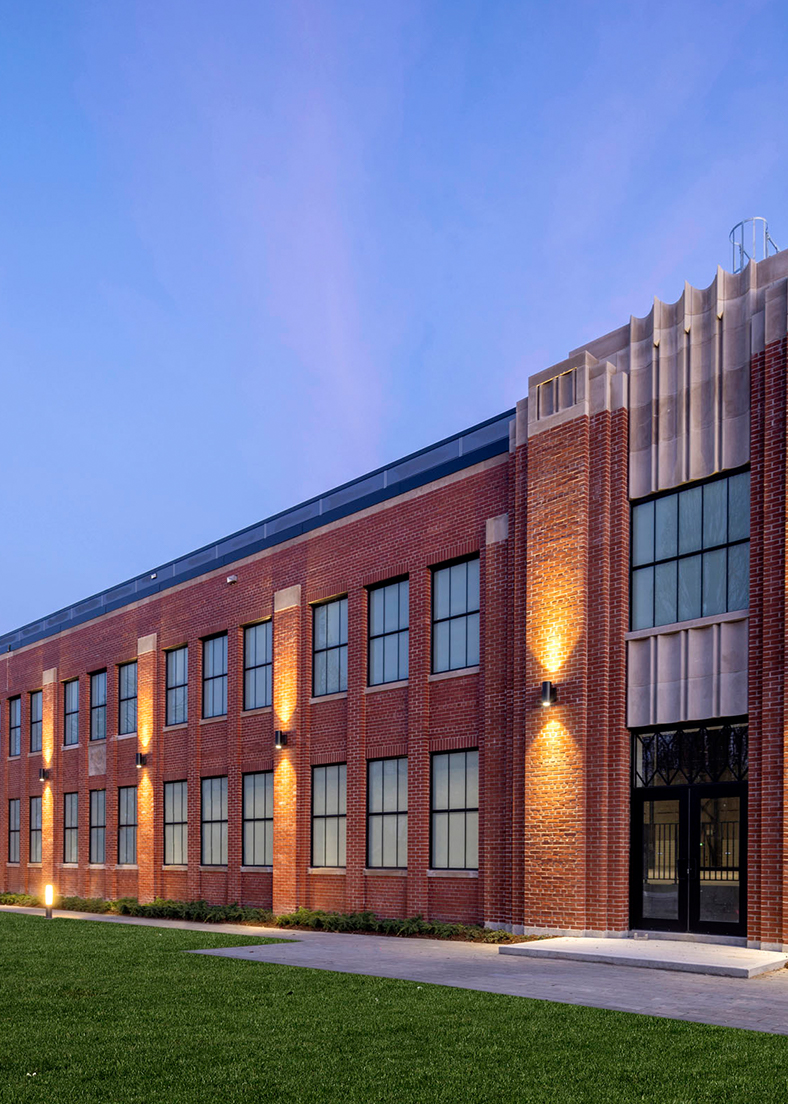
QuadReal implemented advanced Irrigation Management Systems (IMS) across industrial properties to better manage outdoor water use. These systems use local weather data, including rainfall and moisture loss, to make daily adjustments to irrigation schedules so landscapes are watered only when needed.
Real-time flow monitoring is used to track water movement through irrigation lines. If irregular flow or a potential leak is detected, the system can automatically shut down the affected zone – and in the case of a major issue, shut down the entire irrigation system, preventing large volumes of water from being lost before issues are noticed.
Irrigation layouts are also digitally mapped, allowing the system to account for site-specific conditions such as native or low-water plantings, areas with high sun exposure, and shaded zones. This enables more precise watering that reflects actual landscape needs rather than fixed schedules.
The
Impact
Across the portfolio, QuadReal has deployed 82 irrigation management systems that manage more than 52 million litres of potable water each year. These systems have been shown to reduce landscape water use by over 35%, conservatively translating to approximately 18 million litres of water saved annually.
Over the past three years alone, the systems have detected and automatically shut down 266 confirmed irrigation leaks – many of which could otherwise have gone unnoticed for weeks. Irrigation leaks can exceed 100 litres per minute, making early detection critical to preventing water waste and landscape damage.
Why This
Matters
Smart irrigation systems help prevent significant water loss, protect landscaping investments, and ensure outdoor water use is aligned with real site conditions rather than fixed schedules – supporting responsible management of a shared, finite resource.
A Question
to Consider
Where could small, practical changes be integrated into daily routines or site strategies to support more efficient water use in your life?
Better is Best Tip
Consider installing smart fixtures and low‑flow fixtures (such as sensor‑activated faucets, low‑flow toilets, and efficient hose nozzles) which help reduce water use by delivering only the amount needed, minimizing waste from overuse, leaks, and unattended operation. If you’d like to explore options, connect with your Property Management team for guidance and vendor recommendations.
Water use and savings may vary based on site conditions, weather patterns, and landscape design.
Smarter water management systems support better efficiency and the best long-term conservation outcomes.
more case studies