
The Opportunity
Improving Energy
Efficiency Through
Automated Building Systems
Retail environments rely on coordinated control of lighting, heating, and ventilation to support comfort, safety, and customer experience. These systems are especially important in common areas and during non-operating hours, when unnecessary energy use can occur if schedules don’t reflect actual occupancy.
QuadReal identified an opportunity to better manage energy use in shared retail spaces by automating how base building systems operate throughout the day.
10-15%
Less Energy Use
What
QuadReal
Did
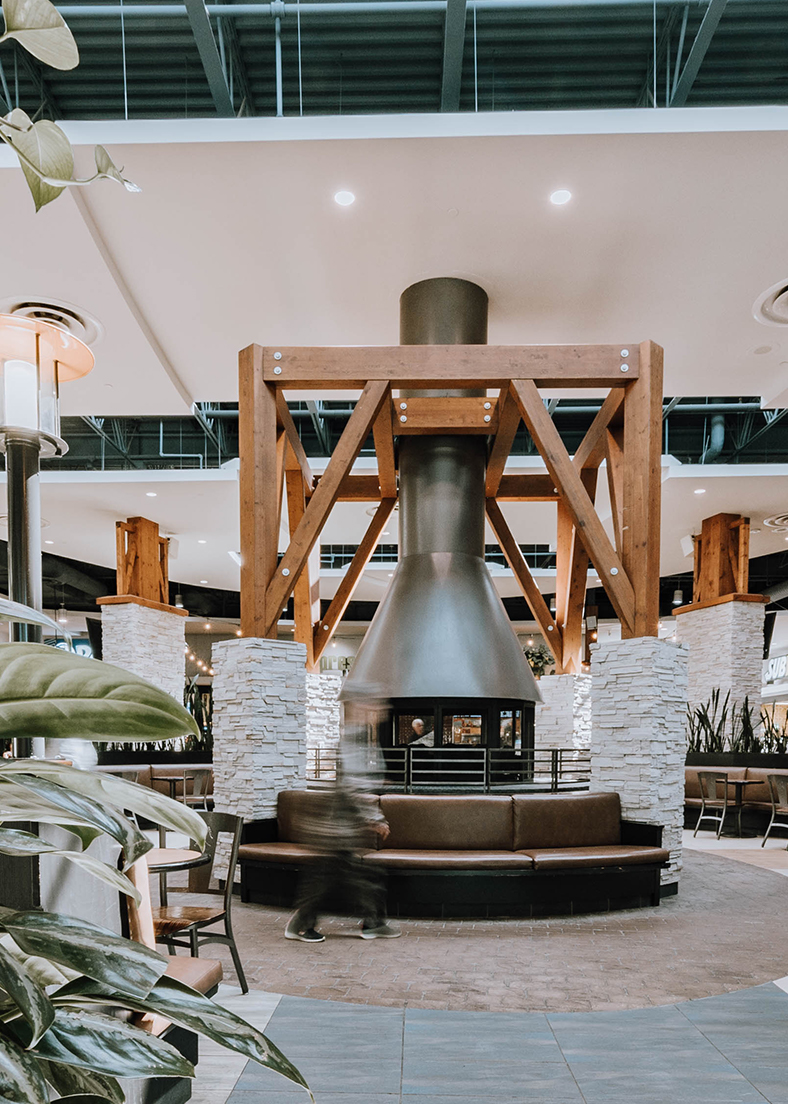
QuadReal implemented building automation technologies across select retail properties to manage energy use in common areas more efficiently. Lighting and system schedules were automated to align with operating hours and occupancy patterns, allowing systems to scale back during off-hours while maintaining appropriate conditions when spaces are in use.
System runtimes were also optimized to reduce unnecessary operation, helping ensure energy is used only when and where it’s needed.
The
Impact
Across locations where these systems are implemented, energy use in common areas is typically 10–15% lower on average. Automated scheduling has reduced energy use during non-operating hours, improved consistency of indoor conditions across retail spaces, and supported lower overall building energy demand, all without affecting tenant operations.
Why This
Matters
Automated building systems help reduce energy waste in shared spaces while maintaining a comfortable and reliable environment for tenants and customers.
Better is Best Tip
Consider using smart power strips for kiosks, offices, and common-area electronics to automatically shut off power when devices aren’t in use, reducing standby (“phantom”) energy consumption.
Energy performance outcomes may vary based on building design, operating hours, and tenant use.
The Opportunity
Building Awareness
Through Tenant-Led
Green Initiatives
Indoor air quality plays an important role in creating comfortable and welcoming retail environments for both tenants and customers. QuadReal identified an opportunity to raise awareness of indoor air quality in a way that was accessible, visible, and engaging for retail tenants, while also strengthening participation in sustainability initiatives.

What
QuadReal
Did
At one of our retail centres, QuadReal launched a tenant-facing initiative that provided participating retailers with spider plants, encouraging them to display and care for the plants within their stores. Tenants were invited to personalize their participation: watering, styling, and showcasing their plants, and to submit photos as part of a friendly challenge, with prizes awarded.
The initiative was designed to spark conversation and awareness around indoor air quality while fostering a sense of shared participation across retail centres.
The
Impact
The initiative created a visible sustainability moment across participating retail spaces, encouraging tenant engagement and ownership. By turning indoor air quality into a shared, approachable topic, the program helped build awareness while strengthening connections between tenants and the broader sustainability efforts at our mall.
Why This
Matters
Engaging tenants through simple, visible initiatives helps build awareness of indoor air quality and supports healthier, more inviting retail environments.
Better is Best Tip
Use low‑VOC or fragrance‑free paints, adhesives, cleaners, and finishes to minimize chemical emissions and help maintain healthier indoor air quality within shared spaces.
Indoor air quality conditions may vary based on tenant use, operations, and space design.
Better tenant-led green initiatives deliver the best collective impact.
The Opportunity
Reducing Waste
Collection Through
Smarter Monitoring
Waste collection schedules are often set in advance, regardless of how full containers actually are. This can lead to unnecessary pickups, increased truck traffic, and avoidable emissions associated with waste hauling, particularly in busy retail environments.
QuadReal identified an opportunity to improve efficiency by aligning waste collection more closely with actual site needs.
25%
Less Waste Collection

What
QuadReal
Did
QuadReal piloted smart waste monitoring technology at select sites to track fill levels in waste containers in real time. Rather than relying on fixed collection schedules, this technology enables demand-based collection, triggering service only when containers are actually full.
This approach helps ensure waste is collected when needed, without unnecessary trips.
The
Impact
Where implemented, this strategy has reduced waste collection trips by approximately 25%, lowering truck traffic and the emissions associated with waste hauling. Fewer unnecessary pickups also help reduce congestion and improve overall site efficiency.
Why This
Matters
Reducing unnecessary waste collection supports lower emissions, smoother site operations, and more efficient use of resources across retail properties.
Better is Best Tip
Where possible, donate excess food, clothing, or goods to local charities or community organizations instead of sending them to landfill, helping reduce waste while supporting the local community.
Smarter monitoring provides better data and secures the best waste reduction outcomes.
The Opportunity
Supporting Efficient
Water Use Through
Low-Flow Fixtures
Retail centres serve thousands of visitors each day, making water use in shared spaces an important consideration. Fixtures such as taps, toilets, and appliances in common areas can contribute to overall water consumption, particularly when older or inefficient equipment is in use.
QuadReal identified an opportunity to support more responsible water use in retail environments by improving the efficiency of base building fixtures, without affecting functionality or customer experience.
What
QuadReal
Did
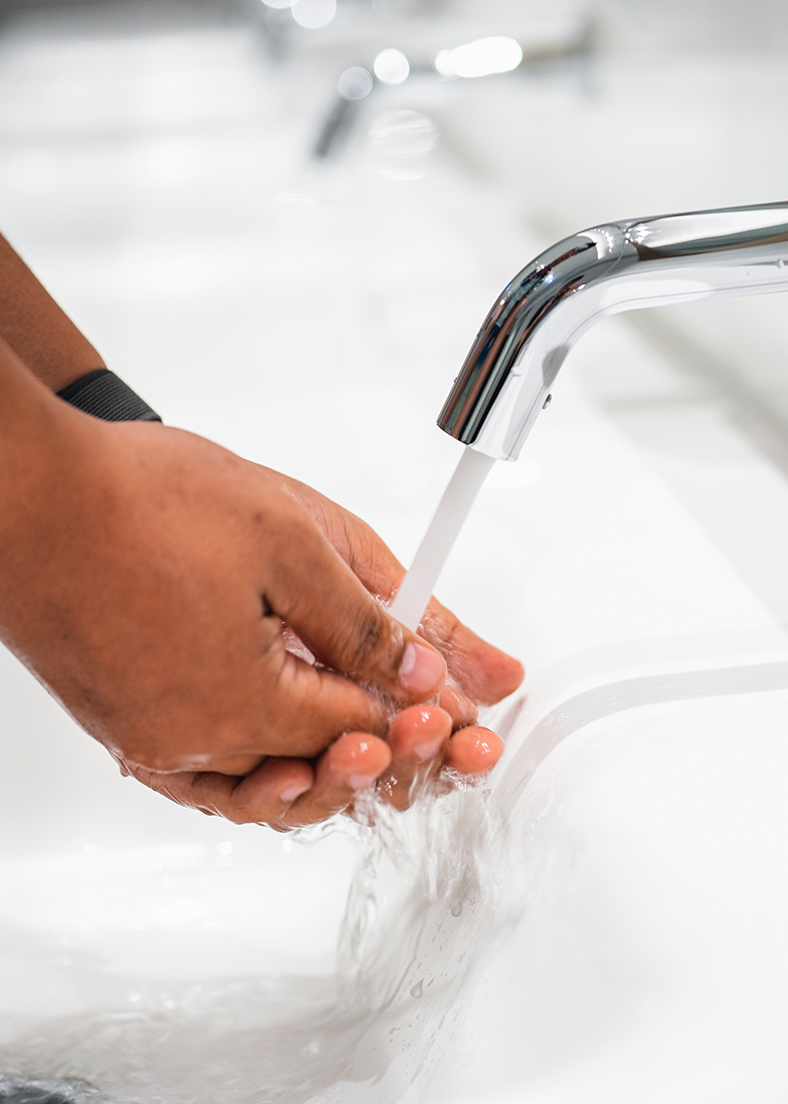
As part of ongoing capital upgrades and maintenance programs, QuadReal has incorporated low-flow taps, fixtures, and water-efficient appliances into retail common areas where replacements or upgrades are required.
By setting water efficiency as a standard within base building spaces, these upgrades help ensure water is used more efficiently during everyday operations, while remaining largely invisible to tenants and customers.
The
Impact
Low-flow fixtures help reduce water use in shared retail spaces by limiting unnecessary flow, supporting more efficient water use over time. While the impact of individual fixtures may be modest, applying consistent standards across common areas helps reduce overall demand and supports responsible water management at scale.
Why This
Matters
Embedding water-efficient fixtures into routine upgrades helps reduce water use in high-traffic environments, supporting sustainability goals while promoting tenant behaviour change without impacting changes to daily operations.
Better is Best Tip
Turn taps off between tasks, such as while soaping hands or preparing food to avoid unnecessary water flow and reduce overall water consumption.
Water use may vary based on tenant operations and activities.
Innovative low-flow fixtures provide better water efficiency and the best conservation results.
more case studies