
The Opportunity
Optimizing Energy
Use Through Smart
Building Controls
Residential buildings rely on multiple networked systems, providing heating, cooling, lighting, and domestic hot water, that have traditionally operated independently.
As buildings become more complex, QuadReal identified an opportunity to manage these systems more dynamically, reducing unnecessary energy use while continuing to support comfortable living environments for residents.
10-15%
Less Energy Use per Building
350K+
Kilowatt-hours of electricity avoided

What
QuadReal
Did
QuadReal began rolling out Building Automation Systems (BAS) across the residential portfolio to centrally monitor and automate key building systems. These systems use smart controls to adjust operations in real time, responding to actual building conditions rather than static schedules.
This allows systems to operate more precisely, delivering comfort where and when it’s needed while avoiding unnecessary runtime.
The
Impact
Buildings with upgraded controls can reduce typically between 10-15% of a building’s energy use, and in some cases even more. Across participating sites, nearly 350,000 kilowatt-hours of electricity have been avoided. Heating, cooling, and lighting systems now run more efficiently – supporting resident comfort.
Why This
Matters
Smarter system controls are one of the most immediate ways to reduce energy use and associated emissions in residential buildings, while maintaining comfortable and reliable living environments.
Better is Best Tip
Reduce “phantom” energy use by unplugging chargers once devices are fully charged and using smart power strips to automatically cut power to electronics when they’re not in use.
Energy performance outcomes may vary based on building design and resident usage patterns.
Smart building controls better optimize energy and deliver the best efficiency.
The Opportunity
Supporting Healthy
Indoor Air Through
Fresh Air Ventilation
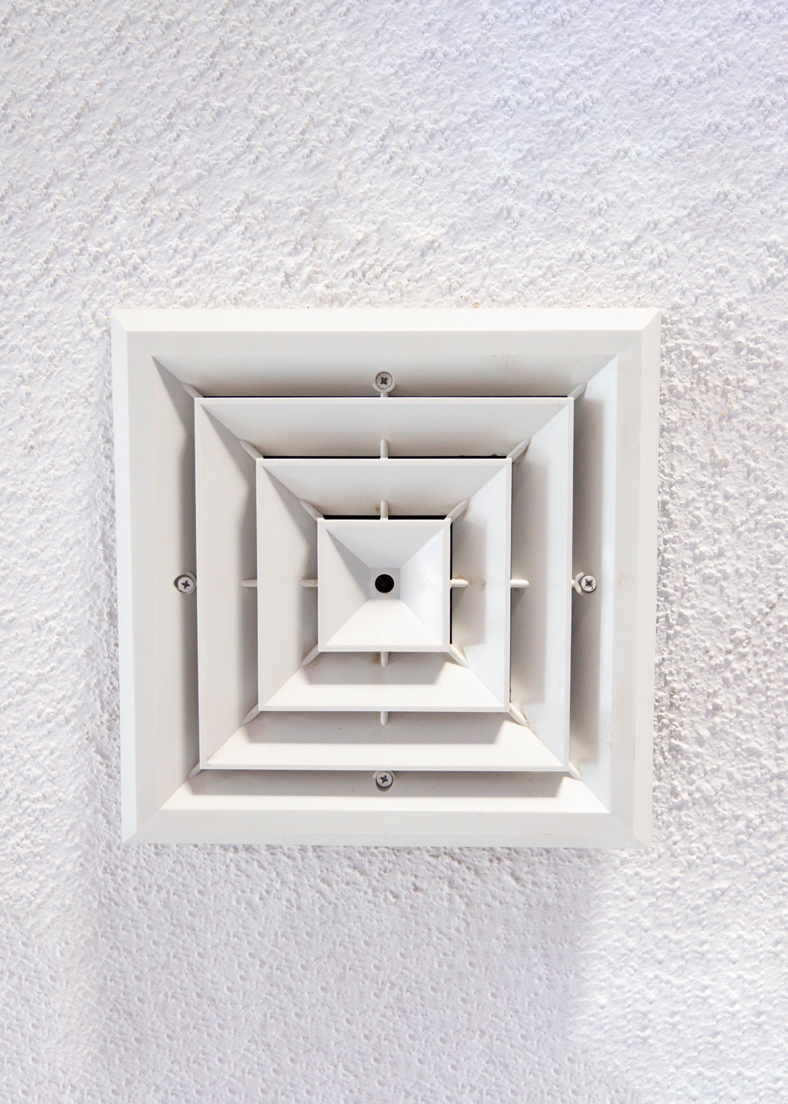
Indoor air quality plays an important role in comfort and well-being, particularly in residential buildings where people spend much of their time indoors. Ensuring a consistent supply of fresh air helps support healthy, comfortable living environments and balanced indoor conditions throughout the year.
100%
Outdoor air supplied through central ventilation system
What
QuadReal
Did
Residential buildings are designed and operated so that 100% outdoor air is supplied through a central ventilation system. Rather than recirculating indoor air, these systems continuously introduce fresh air from outside, helping dilute indoor pollutants and support consistent air circulation.
Ventilation systems are maintained and operated to ensure this outdoor air supply is delivered reliably, supporting indoor comfort while meeting building performance requirements.
The
Impact
Supplying 100% outdoor air helps reduce the buildup of indoor pollutants and supports cleaner, more comfortable indoor environments. Regular air exchange also helps manage humidity and temperature, contributing to a more consistent living experience for residents across seasons.
While this approach operates largely behind the scenes, it plays an important role in day-to-day indoor comfort and air quality.
Why This
Matters
Consistent access to fresh outdoor air is a foundational element of healthy residential buildings, supporting comfort, air quality, and overall livability.
Better is Best Tip
Use kitchen and bathroom exhaust fans, where applicable, during and after cooking or showering to remove excess moisture, odors, and indoor pollutants, helping maintain healthier indoor air quality.
Indoor air quality may vary based on personal activities and conditions within individual suites.
Improved ventilation and air monitoring support better indoor air quality and the best resident comfort.
The Opportunity
Reducing Water
Waste Through Early
Leak Detection
Water leaks often occur out of sight: behind walls, underground, or within building systems, making them difficult to detect without dedicated monitoring. When left unnoticed, these leaks can lead to significant water loss over time and may impact building infrastructure before they are discovered.
QuadReal identified an opportunity to reduce unnecessary water use by improving how leaks are detected and addressed across residential communities.
15%
Less water per building
10M+
Litres of Water Waste Reduction

What
QuadReal
Did
QuadReal implemented smart leak detection systems across select residential communities to better monitor water use in real time. These systems identify irregular water consumption patterns that may indicate a leak, allowing building teams to respond more quickly and address issues before large volumes of water are lost.
By shifting from reactive discovery to proactive monitoring, leaks can be identified earlier and often before they become visible to residents.
The
Impact
Residential buildings with leak detection in place use up to 15% less water per building. Across communities where these systems are installed, this equates to tens of millions of litres of water prevented from being wasted each year – enough water to fill more than 60 Olympic-size swimming pools annually.
Why
This Matters
Early leak detection reduces unnecessary water waste, protects building systems, and supports more sustainable residential communities, without relying on changes to resident behaviour.
Better is Best Tip
Conserve water by using it efficiently, turn off taps when not in use, run dishwashers when full, and take shorter showers to reduce shared water and energy demand.
Water savings may vary based on building design, occupancy, and usage patterns.
Better leak detection monitoring enables the best water efficiency and savings.
The Opportunity
Identifying Waste
Diversion Opportunities
Through Waste Audits
Waste management looks different from one residential building to the next. Factors like local municipal systems, building design, infrastructure age, and everyday resident habits all influence how waste is sorted and where it ends up.
These differences can make it challenging to understand what’s working well and where small changes could make a meaningful difference.
QuadReal identified an opportunity to take a more consistent, data-informed approach to understanding waste practices at the property level.

What
QuadReal
Did
QuadReal works with a third-party waste consultant to conduct waste audits at residential properties across the portfolio. These audits provide a standardized snapshot of how waste is being managed, helping to identify what materials are being diverted successfully and where opportunities exist to improve.
Audit findings help inform next steps, which may include clearer signage, adjustments to collection areas, improved sorting guidance, or targeted resident engagement – depending on the needs of each building.
The
Impact
Over time, insights from waste audits support ongoing improvements to waste diversion across our residential buildings. These efforts help increase diversion rates, improve waste sorting, and reduce the amount of material sent to landfill.
Why
This Matters
Recycling and composting play an important role in reducing the environmental impacts of waste. Some materials can take decades, or even centuries, to break down in landfill, making proper sorting and diversion an important part of more sustainable living.
Better is Best Tip
Reduce waste by properly separating recycling and organics, avoiding single‑use items where possible, and choosing reusable bags, containers, and household products to help minimize what goes to landfill.
Waste collection outcomes may vary based on the site.
Waste audits uncover inefficiencies, offering better insights for the best waste diversion.
more case studies